More than just a race
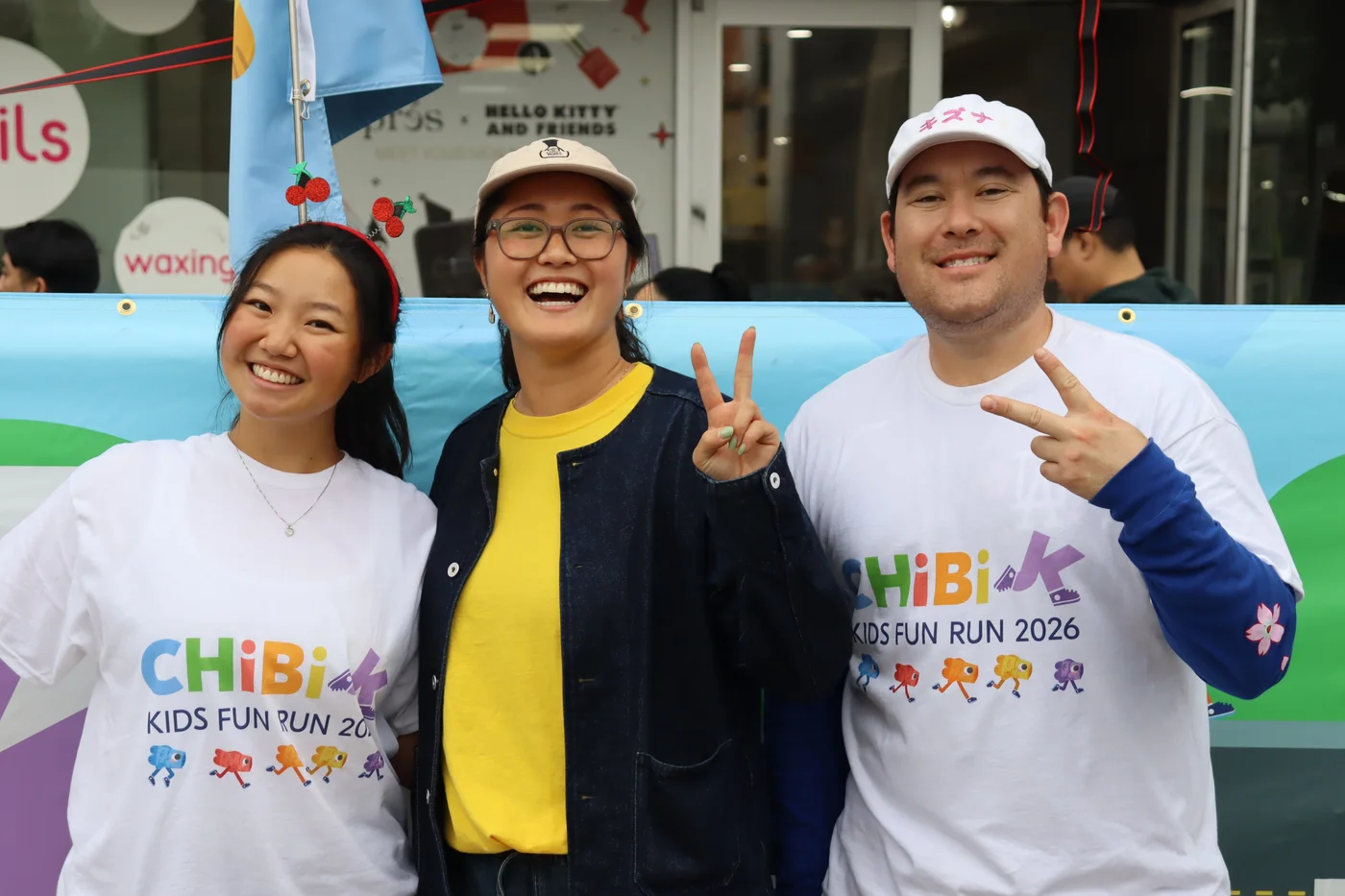
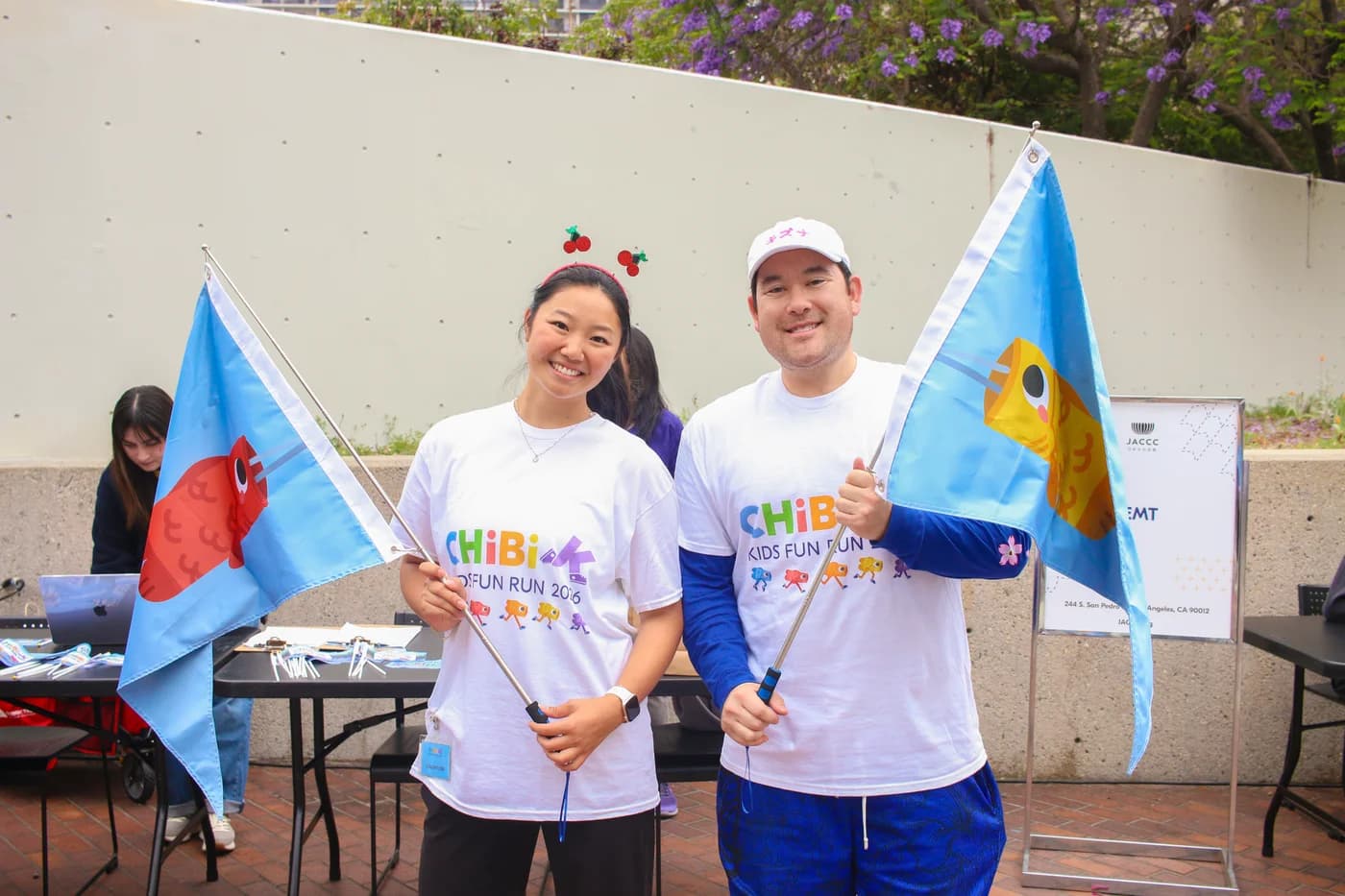
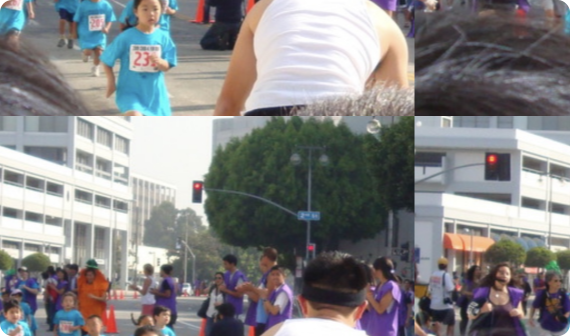
I didn’t know it at the time, but that little race would become one of my earliest memories of Little Tokyo and the Japanese American community. Years later, I found myself on the other side of it, working with Kizuna and JACCC to bring the Chibi-K Run back for the first time in 15 years.
What started as a childhood memory became a project I helped spearhead from the ground up. And getting to see kids experience the same event that I once did was incredibly special.
A class project and community revival
While I was spearheading the revival with Kizuna and JACCC, a class project asked me to design a conceptual website for a real company, and my worlds collided. Working with an amazing team, we built a website concept that grew hand in hand with the real event.
A conceptual project designed with my team at UC San Diego, alongside the real revival of the Chibi-K Run.
Designing the digital experience for Chibi-K
- Role:
- Product Designer
- Organization:
- UCSD
- Skills:
- Figma, User Research, Mobile & Desktop Design
- Timeline:
- Winter 2025
- Team:
- Anna, Jake, Soren, & Marisa (me!)
Understanding the experience
I wanted the experience to feel just as welcoming and nostalgic as the event itself. The site needed to do more than provide information. It needed to make families feel excited to participate and give them a glimpse into what the day would feel like.
We mapped out the different parts of the event and organized the experience around the questions a parent or participant might have.
Creating the Structure
We worked through the site's information architecture, thinking about how someone would move through the experience. Rather than overwhelming users with everything at once, we wanted the homepage to quickly answer three questions in order:
- 01
What is this?
A quick, playful introduction to Chibi-K and what makes it special.
- 02
Why should I care?
The story, the community, and what the day feels like for families.
- 03
How can I participate?
A clear, simple path to registering and getting ready for race day.
From first timers to returning families:
New to Chibi-K
Families discovering the event for the first time, who need the basics made simple.
Returning to Chibi-K
People who already had memories of the event and wanted to feel that nostalgia again.
Designing with community in mind
As this wasn’t just a design project, I had to think beyond the screen. Every decision was connected to a real family, a real community, and a real event.
I learned how much goes into turning an idea into something that people can actually experience—from coordinating across organizations and communicating with different groups to thinking through the smallest details of a child's experience on race day.
It pushed me to become more comfortable taking ownership, asking questions, solving problems as they came up, and working collaboratively toward something bigger than myself.
Inspiration
Once the structure was established, we started translating the experience into wireframes, thinking not just about what information belonged on the page, but how the site could capture Chibi-K's personality.
We wanted to stay away from anything that felt corporate. Instead, the visual direction leaned into the playfulness of childhood and the nostalgia of Little Tokyo, bright shapes, illustrations, and moments of personality throughout.
Day of Event
We wanted the website to feel like an extension of the event itself, helping families imagine what their day would actually look like, not just what to click next.
- 01
Arriving
Arriving in Little Tokyo and finding their way to the start.
- 02
Race time
Lining up for their heat with the right age group.
- 03
After the race
Exploring the activities and community around them during Children's Day.
Desktop Designs
Mobile Designs - Registration
The final concept brought the different pieces of Chibi-K into one place, history, race details, age groups, registration, and race-day prep, without families having to dig through disconnected information. At the same time, the visual language communicated what made Chibi-K special in the first place, and why it was worth promoting.
It was never just about a race, its about the community experience
This project was especially meaningful because I was designing for something for a community, for the next generation. I was designing for something I cared about, and something that we were actively trying to bring back to life.
It taught me how different designing for a real community can feel compared to designing a purely conceptual product. There were constantly changing requirements, different perspectives to consider, and real-world constraints that couldn't be solved with a perfect Figma file.
Two years in the making, the story behind the project.
Bringing the Chibi-K Run back

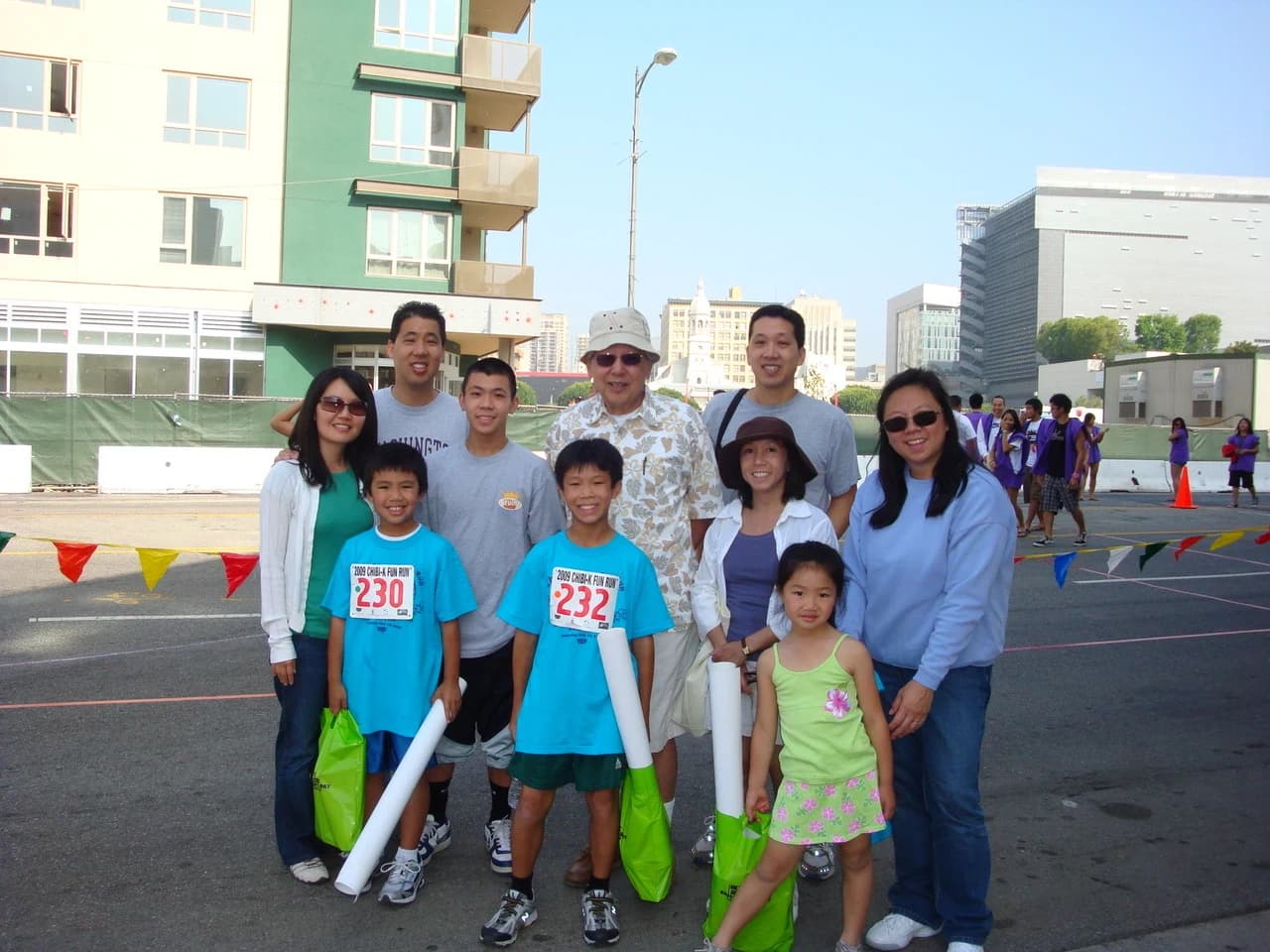
A childhood memory that brought me back to Little Tokyo
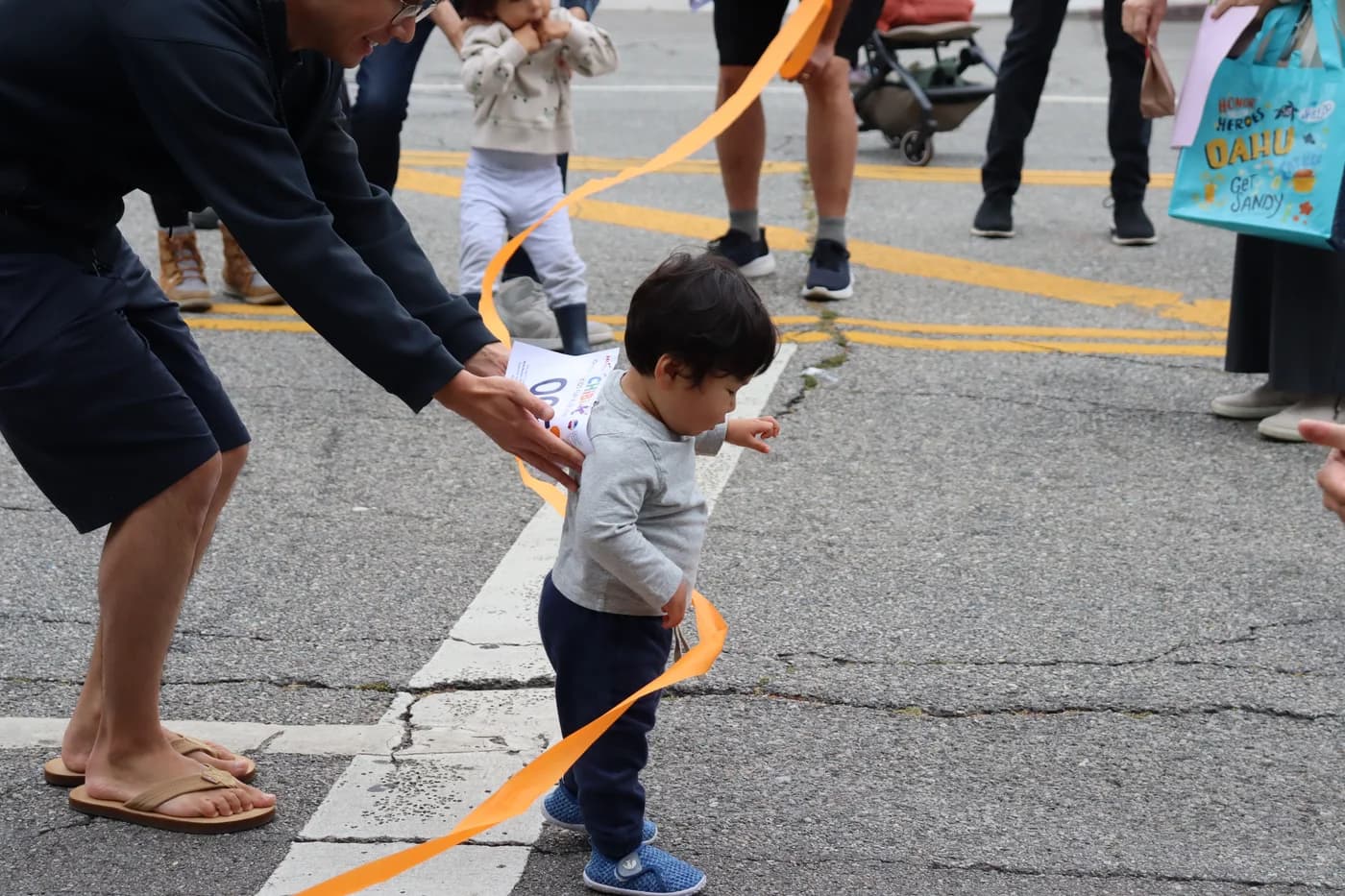
When I was three years old, I ran the Chibi-K Run with my cousins and family. I still remember crossing the finish line to the cheers of my family, especially my grandparents who never missed a chance to support us.
I didn’t realize it then, but Chibi-K was one of my first introductions to Little Tokyo and the Japanese American community.
Finding my way back
As I grew older, I became more distant from my history and culture as school and life took over. After losing my grandparents, it felt like I had lost a part of that connection too.
During my internship with Kizuna, I found myself reconnecting with Little Tokyo and thinking more deeply about how important it is to keep our traditions alive. That’s when I started thinking about Chibi-K again.
Bringing it back!
Chibi-K had been a beloved Little Tokyo tradition before going on hiatus in 2011. I wanted to bring it back, not just because it was meaningful to me, but because I wanted future generations to have the same opportunity to experience Little Tokyo as a community.
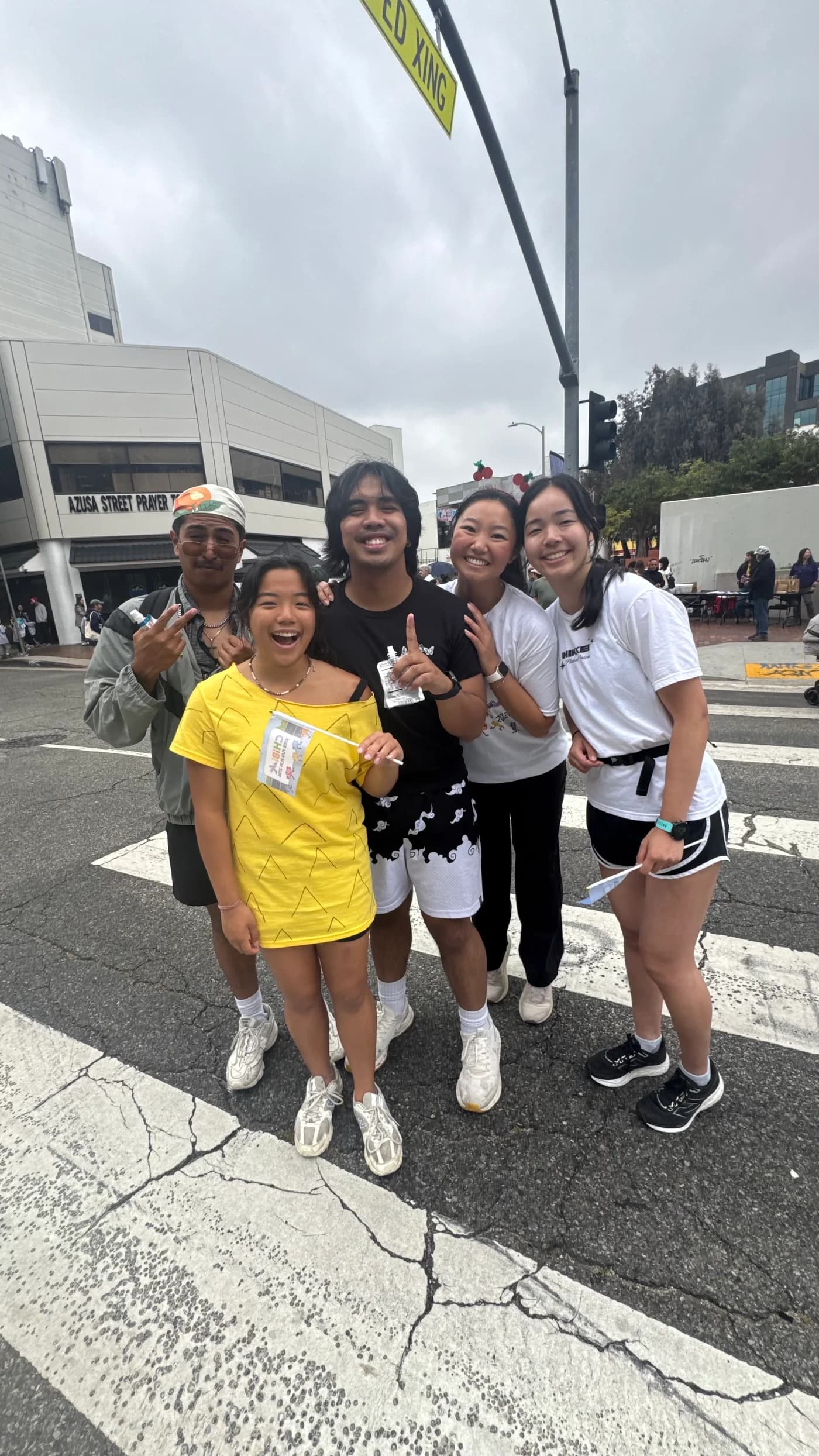
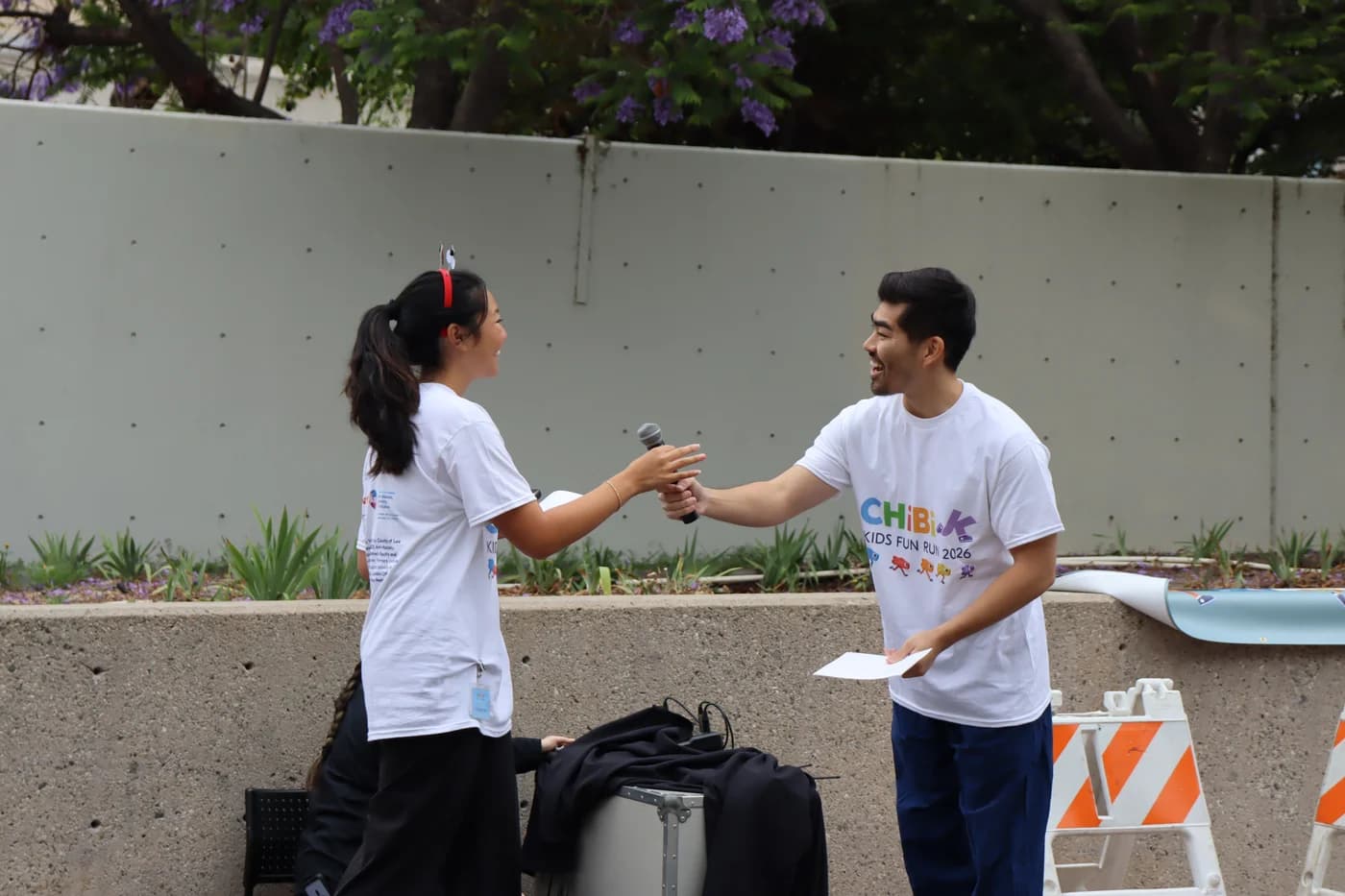
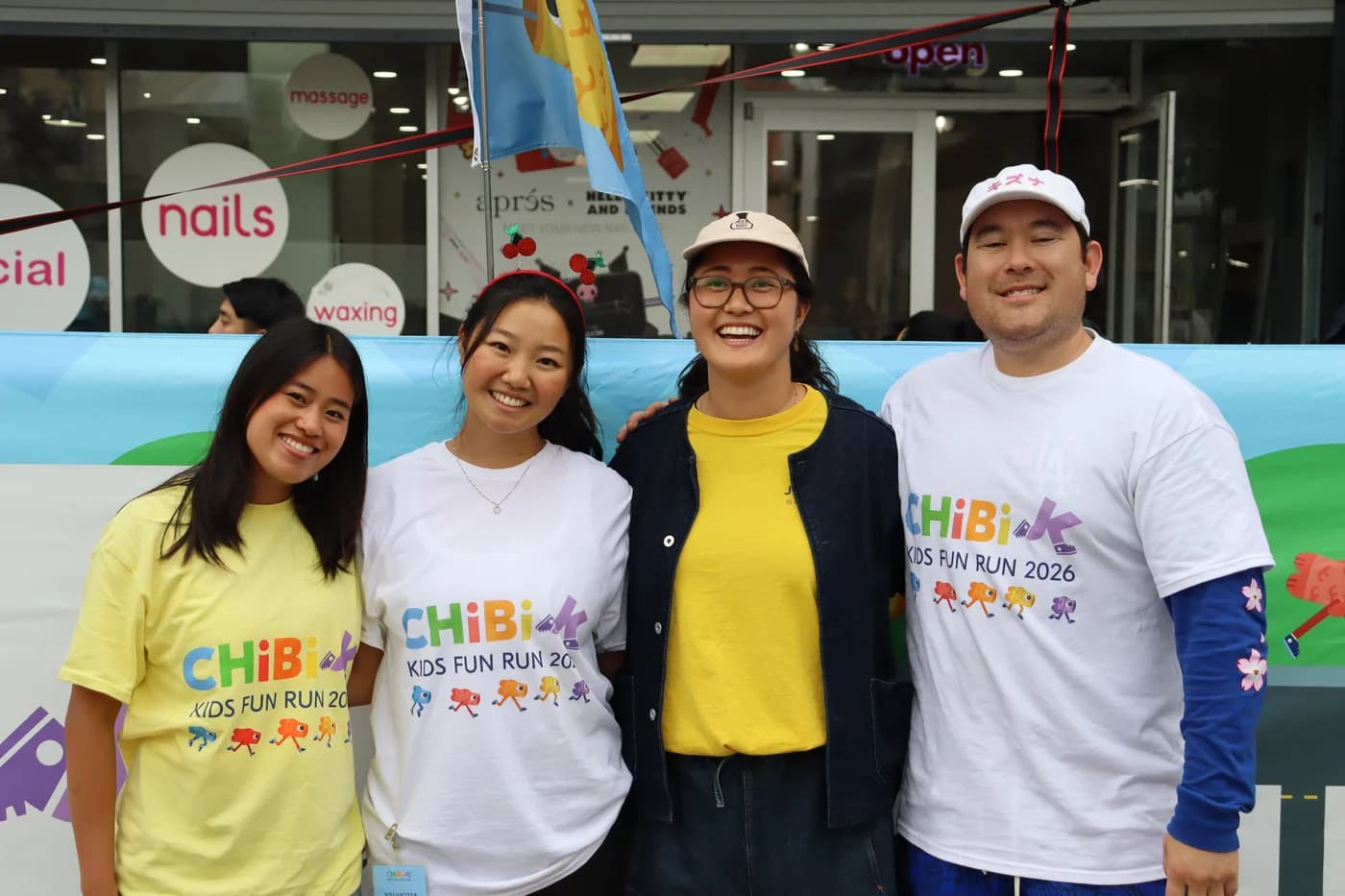
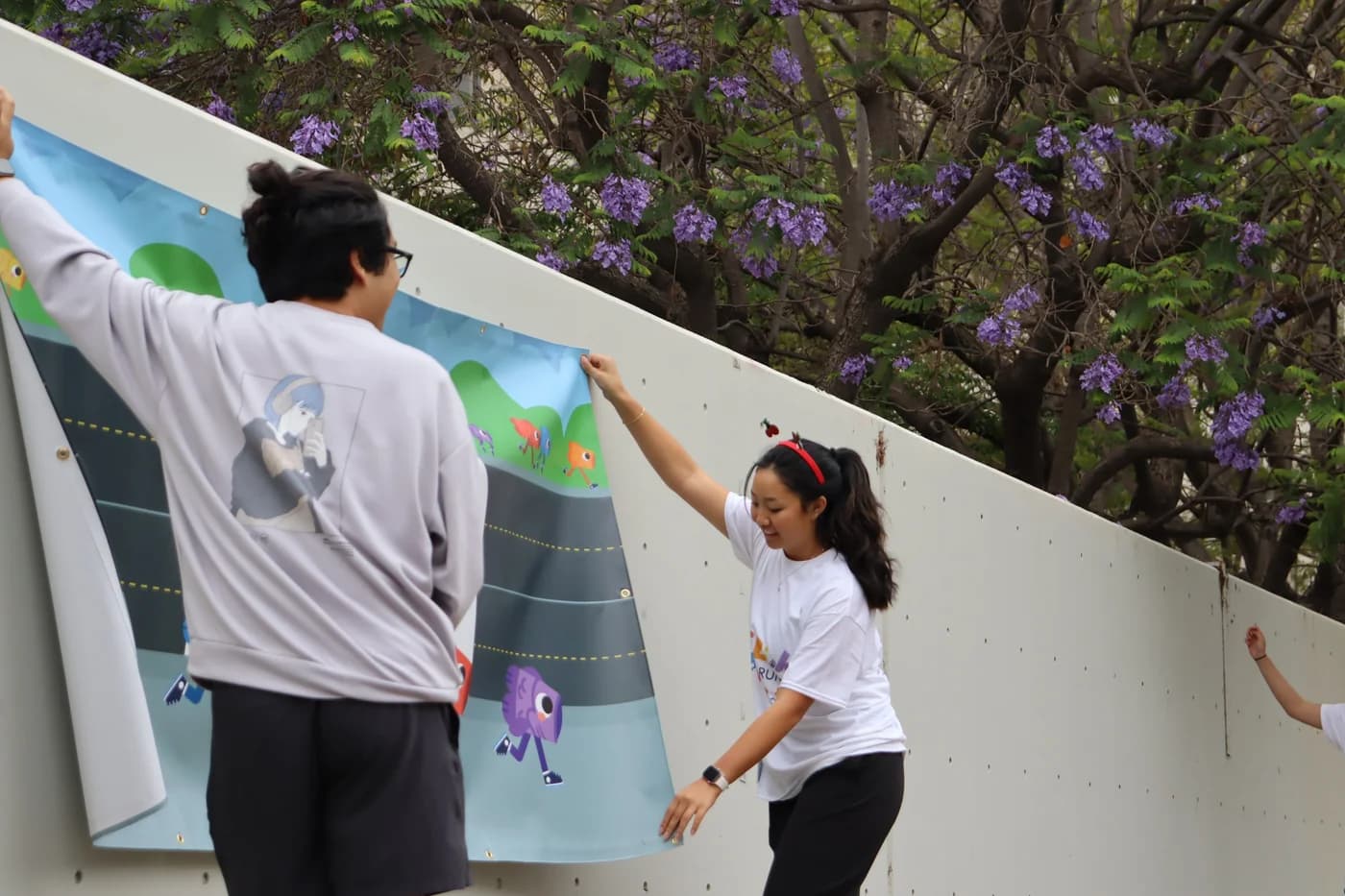
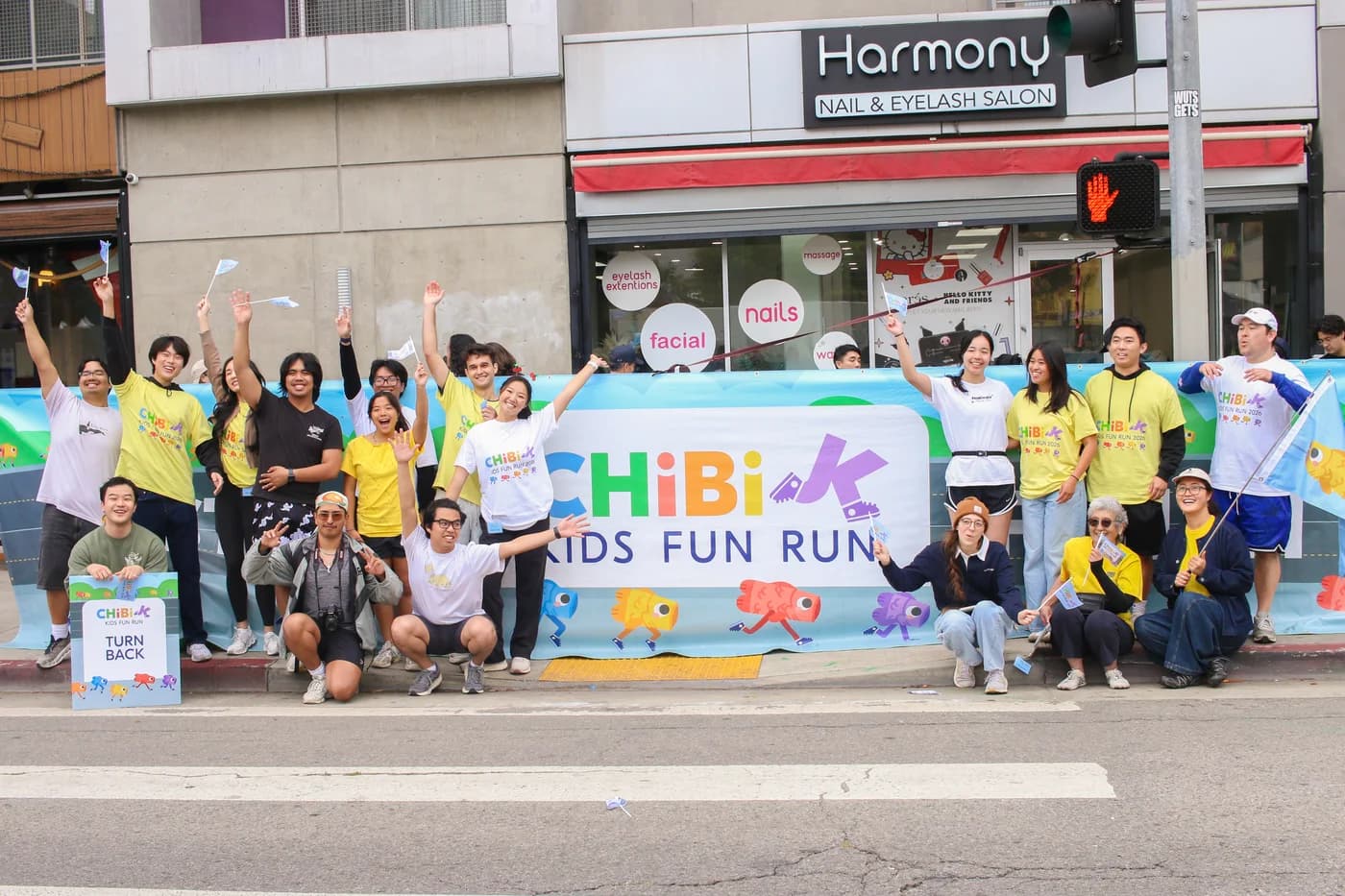
Alongside Kizuna and JACCC, I helped spearhead the effort to bring the event back. Over two years, we worked through planning, outreach, sponsorships, volunteers, marketing, and all the little details that went into making the day possible.
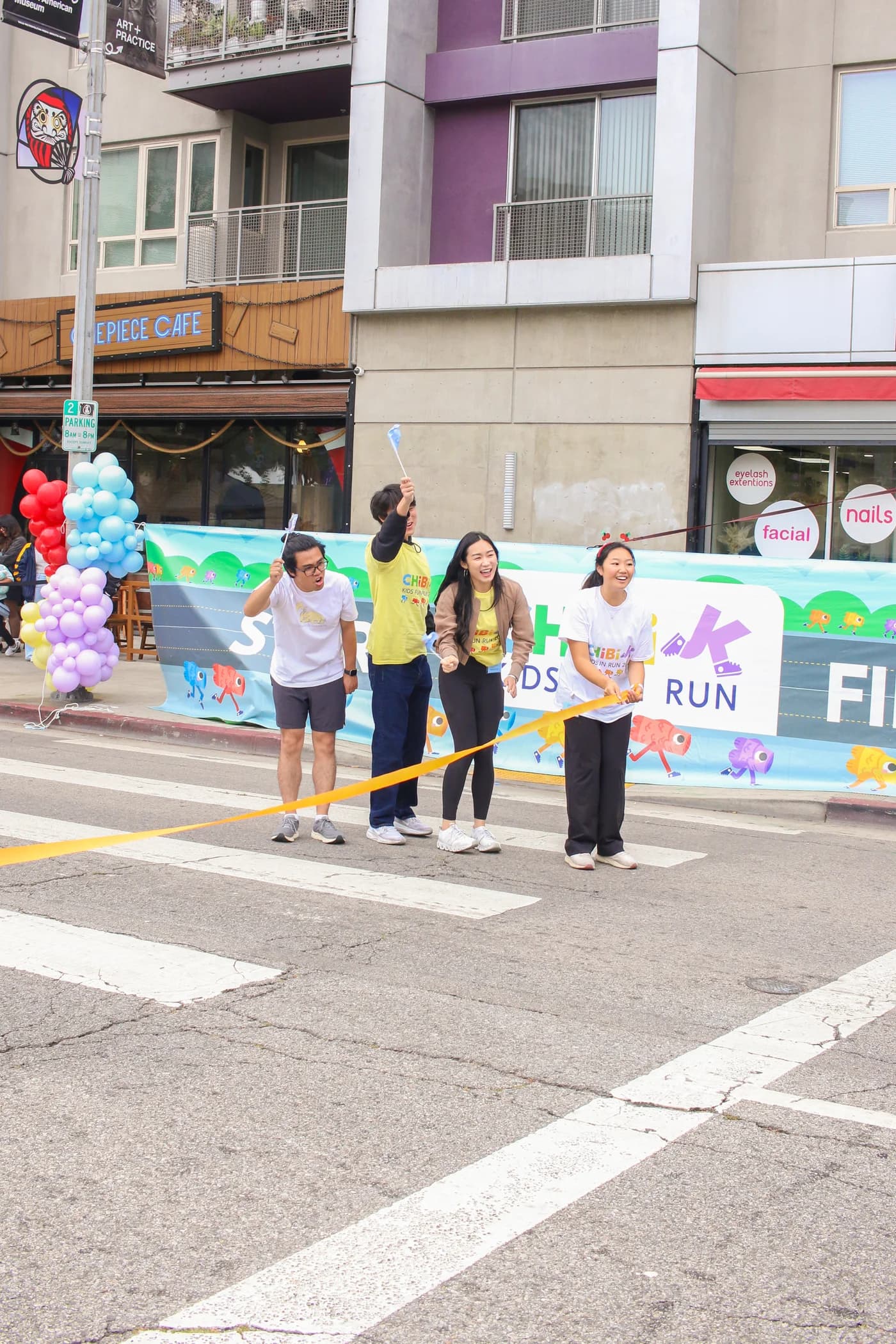
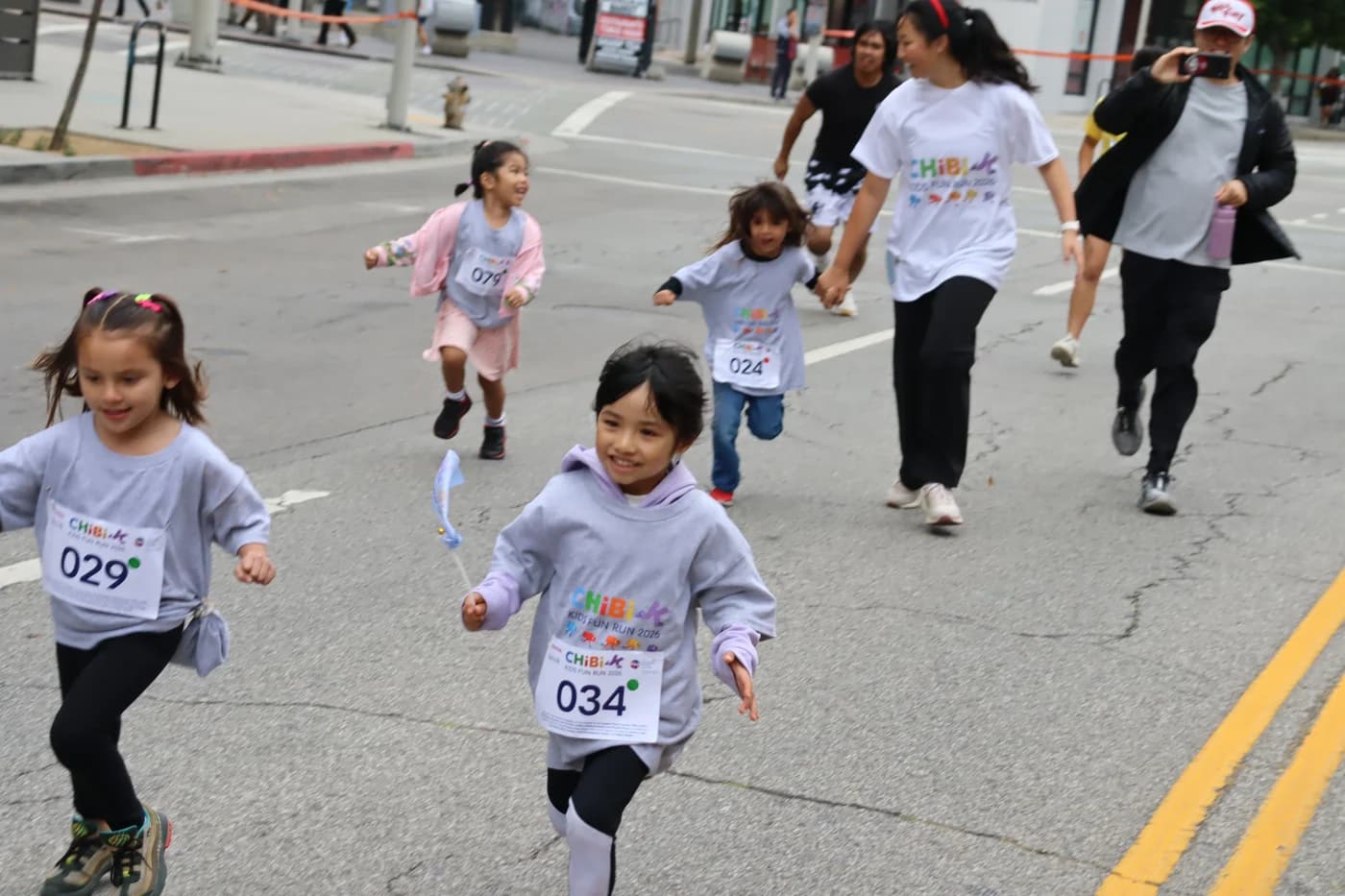
Then, in May 2026, after 15 years, Chibi-K was back.
Full Circle
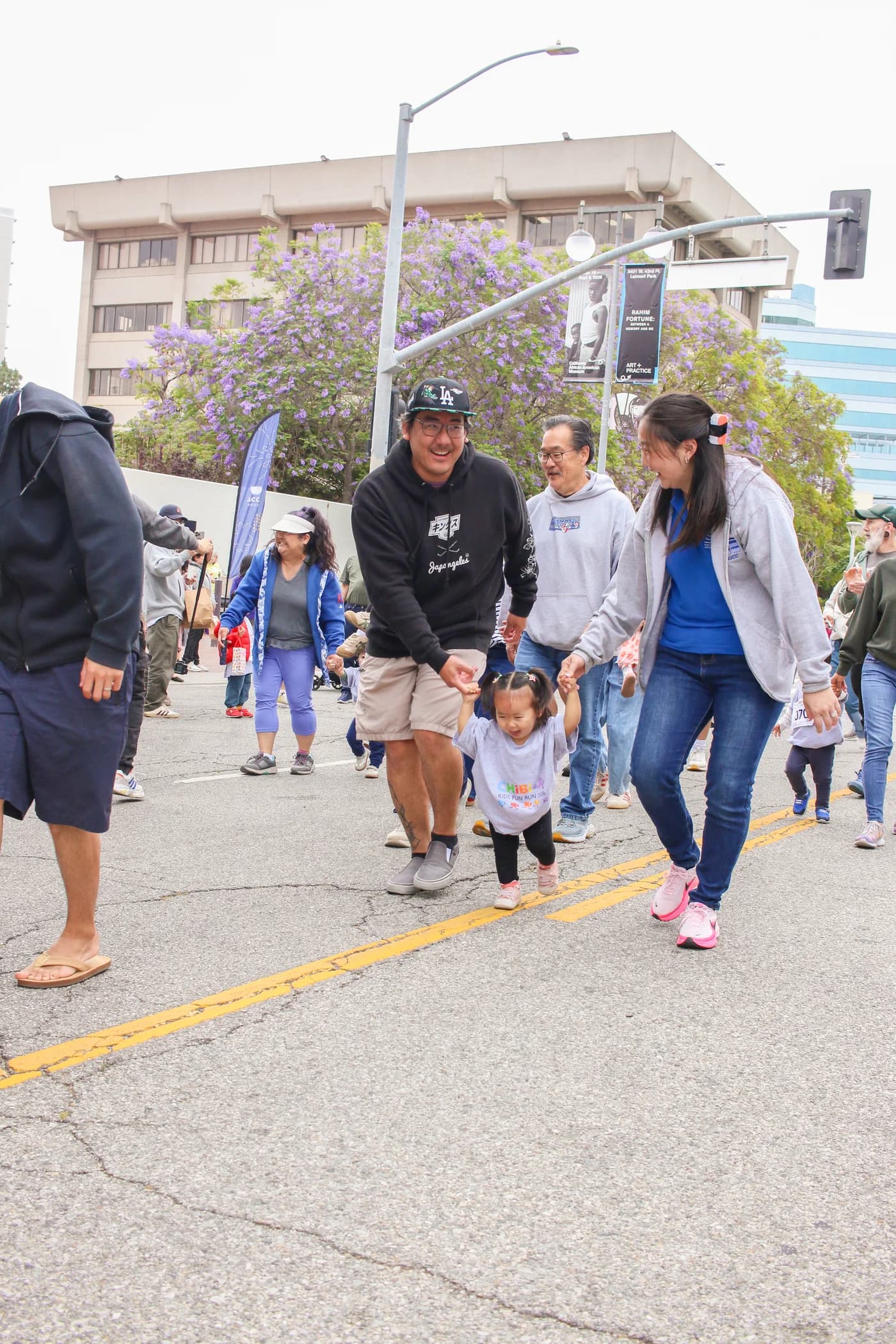
The most meaningful part was watching kids experience something that had once been such a big part of my own childhood.
I ran Chibi-K as a kid. Years later, I helped bring it back.
What started as a childhood memory became a project that allowed me to give back to the community that first welcomed me.
And now, hopefully, another generation gets to make memories of their own.